Why Makhana Is the Fastest Growing Snack Category for Private Label Brands
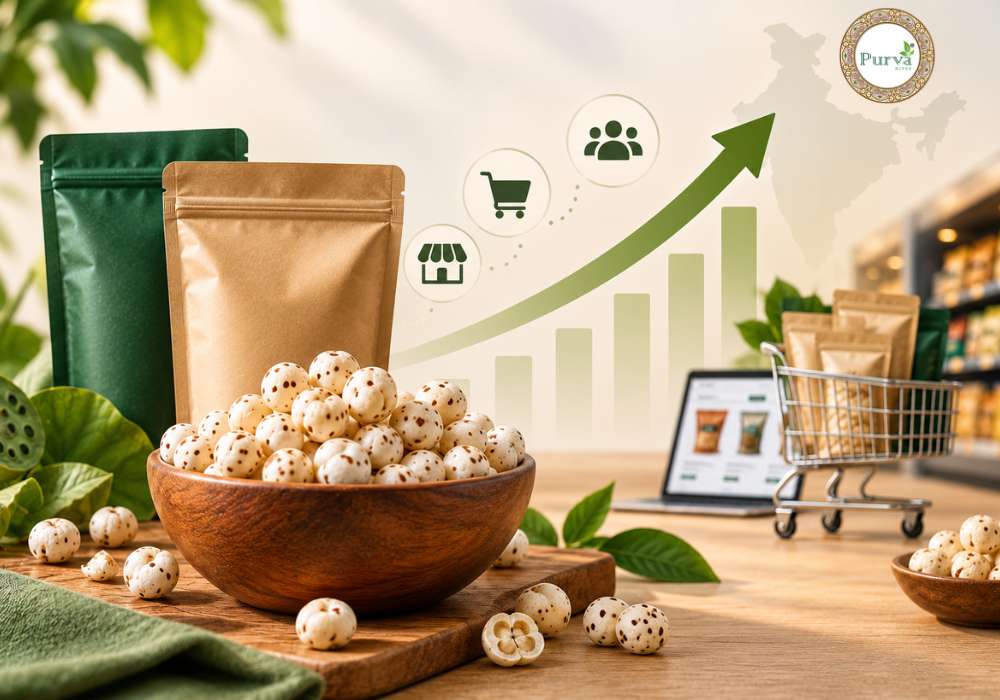
A few years ago, Makhana was mostly a fasting food. You found it in homes during Navratri, in temple offerings, and occasionally in a trail mix bought from a health store. It was not something brands were fighting over.
That has changed significantly. Makhana is now one of the most searched snack categories on Indian e-commerce platforms, it is showing up in modern trade stores that would not have stocked it three years ago, and a growing number of D2C brands are building their entire identity around it.
For anyone planning to launch a makhana private label snack brand, this is worth paying attention to.
What Changed?
The shift did not happen because of a single trend. It happened because several things moved at the same time.
Indian consumers started reading ingredient labels more carefully. Post-2020, interest in clean label, low fat, high protein snacking grew noticeably. Makhana checks almost every box a health-conscious buyer is looking for. It is naturally low in fat, reasonably high in protein, gluten free and has no artificial additives in its raw form. It is also light enough to eat in meaningful quantity without the guilt that comes with most fried snacks.
Social media accelerated this. Fitness creators and nutrition accounts began talking about Makhana as an everyday snack alternative to chips and biscuits. That content reached millions of people who had never thought about it before. A product that was previously associated with religious fasting became associated with active, health-forward living. That is a significant repositioning, and it happened almost entirely through organic content, not advertising.
Modern trade retailers noticed the demand and started dedicating more shelf space. Supermarkets and premium grocery chains that once carried one or two Makhana options now carry six or more across different flavour profiles and price points. Once something gets shelf space in modern trade, more brands enter, more consumers discover it, and the category grows faster.
Why It Works Well as a Private Label Product
Not every growing snack category is equally suited to private label. Makhana has some specific characteristics that make it particularly good for a brand building on a contract manufacturing model.
The sourcing story is compelling. Raw Makhana comes primarily from Bihar, a specific growing region with a long history of producing this crop. For a private label brand, that origin story is something you can build messaging around. Your customers are increasingly interested in where their food comes from. A snack with a traceable, regional source gives you something to say beyond just the flavour.
The flavour range is genuinely wide. Makhana absorbs seasoning well, which means manufacturers can produce it in everything from a classic Himalayan salt finish to bolder fusion options like Thai chilli, Spanish tomato or peri peri. A private label brand can build a range of four to six flavours and have a genuinely diverse portfolio from a single base ingredient. That is efficient from an operations standpoint and gives retail buyers a reason to allocate multiple shelf facings to one brand.
The margin structure is attractive. Makhana is not a commodity in the way that salted peanuts are. Premium positioning is genuinely viable. Brands can price at a level that supports healthy margins while still being competitive within the healthier snacking segment.
The repeat purchase rate is high. People who find a Makhana flavour they like tend to buy it consistently. For a D2C brand, this means good retention without heavy promotional spend. For a distributor, it means predictable reorder volumes.
What the Market Looks Like Right Now
The Indian snacks market is large and growing, and the healthier snacking segment within it is growing faster than the overall market. Makhana sits in the part of that market where consumer demand, retailer interest and brand investment are all moving in the same direction at the same time.
That does not mean there is no competition. There are established national brands in this space. But established brands tend to focus on a narrower flavour range and a single price point. The private label opportunity is in the white space they are leaving open. Regional flavours, premium positioning, better for you formulations, gifting-focused packs. These are areas where a new brand can carve out a real position without needing the distribution scale of a national FMCG company to succeed.
The advantage of entering now rather than later is real. The category is growing, but it has not yet reached the point where the shelf is crowded and differentiation becomes extremely difficult. That window will not stay open indefinitely.
What to Look for in a Makhana Manufacturer
If you are planning to enter this category, your manufacturing partner matters more than almost any other decision you will make at the start.
Sourcing matters. Ask where the raw Makhana comes from. Bihar-sourced raw material is the quality benchmark in this category, and a manufacturer who sources from the right growing regions will produce a more consistent finished product than one treating it as a commodity input.
Processing matters. Makhana needs to be roasted, not fried, to retain its nutritional profile and its clean-label positioning. Check that the manufacturer does not use palm oil in the roasting process. These are things buyers and end consumers now check, and they will eventually become table stakes rather than differentiators.
Flavour capability matters. Look for a manufacturer who has already developed multiple flavours rather than one who will develop them from scratch with you. It saves time, reduces risk on the first order, and gives you a tested starting point. From there, custom development is a smaller step.
Certifications matter. FSSAI registration is non-negotiable. ISO 9001:2015 and ISO 22000:2018 are the quality and food safety certifications that tell you a manufacturer has documented processes and has been audited, not just self-certified.
Pack format flexibility matters. If you want to sell a 30gm grab-and-go pouch alongside a 200gm jar for gifting, your manufacturer needs to support both. Lock yourself into a single format and you limit which channels you can access.
Starting with Purva Bites
Purva Bites sources raw Makhana from Bihar and roasts it at its facility in Udaipur, Rajasthan. The range covers nine flavours, from everyday options like Himalayan pink salt and cream and onion to bolder picks like peri peri and Spanish tomato. Raw Makhana is also available for brands that want the base ingredient without seasoning.
The facility is FSSAI registered and certified under ISO 9001:2015 and ISO 22000:2018, with private label and white label programs available and no fixed minimum order quantity.
If you are planning to enter the Makhana category and want to understand what is possible, get in touch. The earlier that conversation happens, the faster you can move.
Contact us to discuss your requirement
Frequently Asked Questions
Is Makhana a good product for a private label snack brand?
Yes. The category has strong consumer demand, wide flavour range potential, good margins and a compelling sourcing story. It works well across D2C, retail and gifting channels.
Where does Makhana come from?
Most high-quality raw Makhana is sourced from Bihar, a region in eastern India with a long history of cultivating this crop. The quality of the raw material varies significantly by source, which is why sourcing matters when choosing a manufacturer.
Is Makhana healthier than regular snacks?
Makhana is naturally low in fat and high carbohydrates and fiber content , relatively high in protein and gluten free. Roasted Makhana with no palm oil and no artificial additives is a genuinely cleaner alternative to most fried snacks.
How many flavours can I offer in my private label Makhana range?
A well-equipped manufacturer will have between eight and twelve tested flavours ready to brand. Starting with three or four and expanding based on sales data is usually the right approach for a new brand.
Do I need large order quantities to start a private label Makhana range?
This varies by manufacturer. Some require large minimum orders. Others discuss order quantities based on your specific requirement rather than a published minimum.
Related Articles
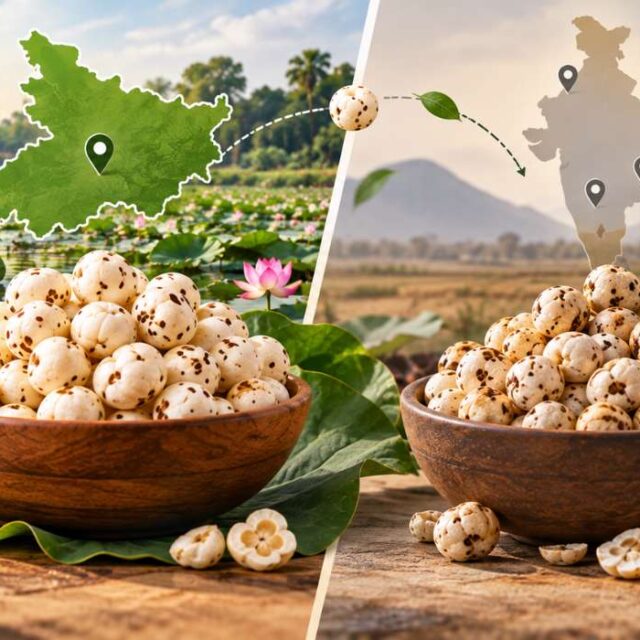
Bihar Makhana vs Other Makhana - Why Sourcing Matters for Your Brand
If you are building a private label Makhana brand, one of the first questions worth asking your manufacturer is where their raw Makhana comes…
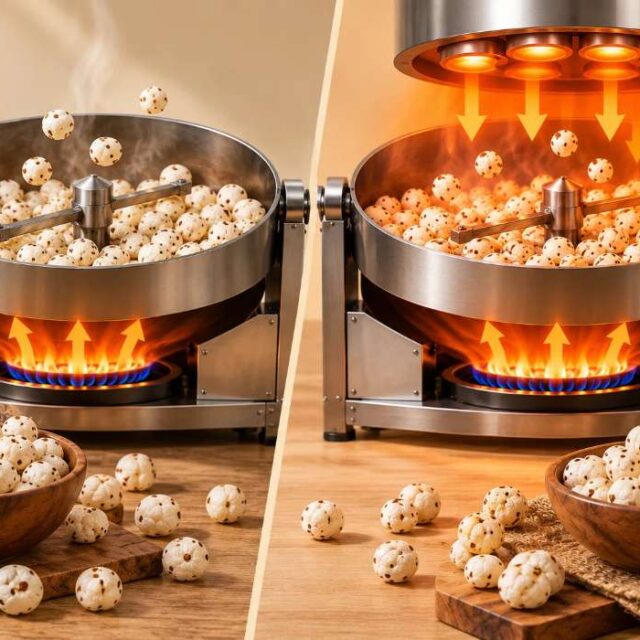
What Is Single vs Double Flame Roasting? A Simple Explanation
Most snack brands say their products are roasted. Very few explain how. When you look at the manufacturing process, the method used to apply…
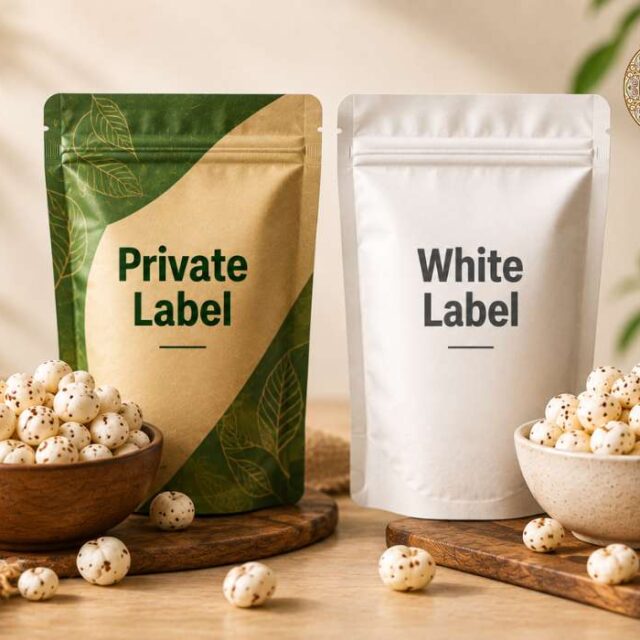
Private Label vs White Label Manufacturing: What Is the Difference?
If you are planning to launch your own snack brand in India, you will come across these two terms Private Label vs White Label…