What Is Baked Bhujiya and How Is It Different from Regular Bhujiya?
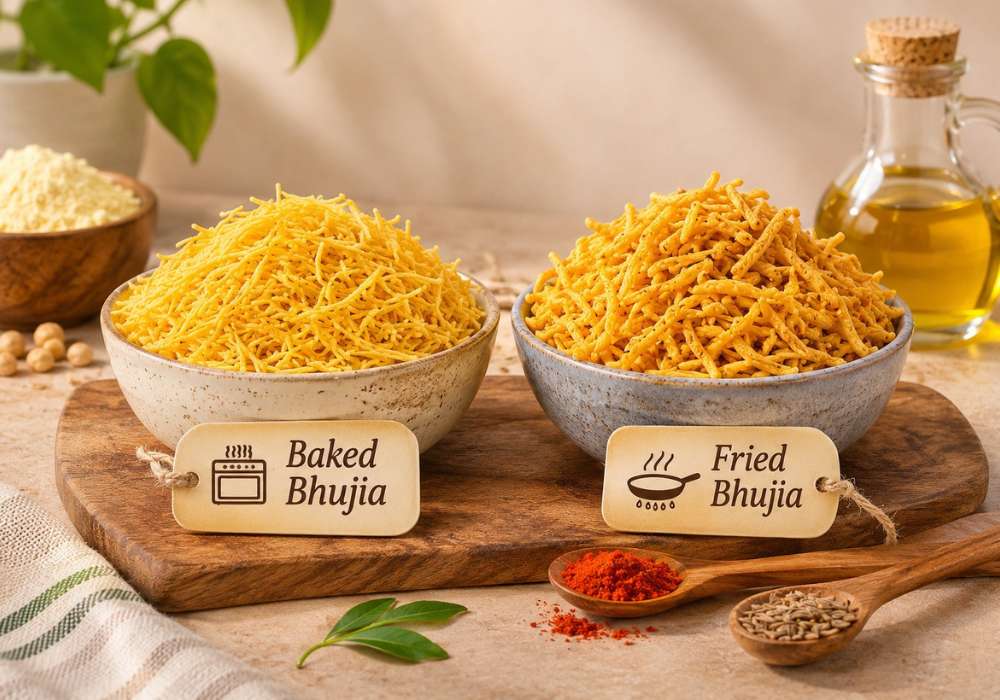
Bhujiya has been a staple snack in Indian households for generations. Most people have eaten it without thinking much about how it is made. That is starting to change. As more consumers pay attention to ingredient lists and brands position around clean-label claims, the difference between the baked version and traditional fried bhujiya has become a meaningful distinction for brand builders in the health snack space.
This article explains what baked bhujiya actually is, how it differs from the fried version in process and outcome, and why it matters for brands building in the health snack category.
What Is Bhujiya?
Bhujiya is a crispy, thin-stranded snack made primarily from besan, also called gram flour or chickpea flour. The dough is seasoned with spices, pressed through a sev press with a fine die, and cooked into the light, crunchy strands most people recognise immediately. The traditional method is deep frying. The raw strands go directly into hot oil, where they cook quickly and emerge crisp. Oil is part of what gives traditional bhujiya its texture, its colour and its rich flavour.What Is Baked Bhujiya?
Baked bhujiya uses the same base dough and the same forming process. The difference is in what happens after the strands are shaped. Instead of going into oil, they go into a hot oven or baking chamber where dry heat cooks them through. The result is a snack that looks similar to the fried version and delivers a comparable crunch, but without the added oil from deep frying. The ingredient list changes significantly. There is no frying oil in the finished product, which affects the fat content, the calorie count and the clean-label story the brand can tell. This format sits in the same category as other baked snack products that have grown in popularity alongside the broader shift toward roasted and baked positioning in the Indian snack market.The Process Difference
The key manufacturing distinction is the cooking method. Deep frying uses oil as the heat transfer medium. The strands cook by being submerged in hot fat, which is fast, consistent at scale and produces a very specific flavour and texture profile. Baking uses hot air as the heat transfer medium. The strands cook through circulating dry heat, which takes longer and requires careful temperature control to achieve the right level of crunch without drying the product unevenly. Getting it right at commercial scale is a process calibration challenge. The water content of the dough, the oven temperature, the airflow and the residence time all affect the final texture. A manufacturer who produces baked bhujiya consistently has worked out the correct settings for their equipment and their specific formulation. This is worth understanding if you are evaluating a contract manufacturer. The ability to produce a good sample is not the same as the ability to produce consistent product across repeated batches at volume.What to Look for in a Manufacturer
If you are building a private label brand in this format, the manufacturing questions are specific. Ask whether the facility has experience with baked rather than fried production. The two processes require different equipment and different calibration, and a facility that primarily produces fried snacks is not automatically equipped for baked formats. Ask about batch consistency. Because baked snack production depends on precise temperature and airflow control, consistency across batches is a function of how well the process is set up and monitored. Ask for samples from multiple production runs rather than a single freshly made sample. Ask about the ingredient list. What is in the dough formulation? Are any oils used in the baking process itself? A clean product should have a simple, readable ingredient list with no added frying oil. Ask about certifications. A facility producing food commercially in India must hold a valid FSSAI licence. ISO 9001:2015 and ISO 22000:2018 certifications indicate additional quality and food safety process standards beyond the regulatory minimum.How Purva Bites Approaches Baked Formats
Purva Bites manufactures snack products at our Udaipur facility, holding FSSAI, ISO 9001:2015 and ISO 22000:2018 certifications. Our production covers both traditional and baked snack formats, with private label and white label capability across categories including Bhujiya, Khakhra, Bhakhri and Makhana. If you are building a private label baked bhujiya product and want to understand what we can produce, get in touch with the team. Contact us to discuss your roasted snack requirementFrequently Asked Questions
What is the difference between baked bhujiya and regular bhujiya? Regular bhujiya is deep fried in oil. The baked version is cooked using dry heat in an oven or baking chamber. The base dough and forming process are similar. The key differences are in fat content, calorie count and the brand story you can build around the product. Is baked bhujiya healthier than fried bhujiya? It contains less fat than the fried version because no frying oil is used in production. The calorie count is typically lower as a result. Whether it qualifies as healthy depends on the full formulation and how the brand positions the product. Can baked bhujiya achieve the same crunch as fried bhujiya? Yes, with proper process calibration. Getting consistent crunch from a baked snack requires the right dough formulation, temperature control and airflow settings. A manufacturer with experience in baked formats can achieve a texture that is comparable to the fried version. Does Purva Bites manufacture baked bhujiya? Yes. Purva Bites produces baked snack formats at our Udaipur facility for private label and white label clients. Contact us to discuss your product requirement.Related Articles
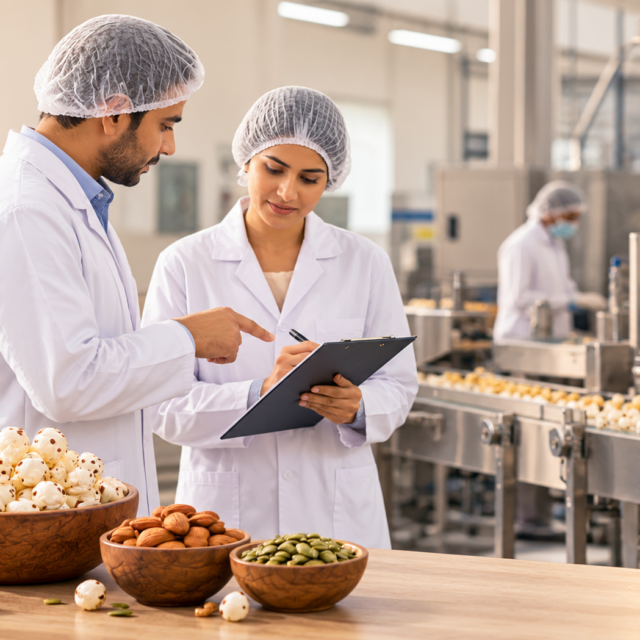
How to Choose the Right Contract Manufacturer for Snack Brand
Choosing a contract manufacturer is one of the most consequential decisions a snack brand makes. Get it right and you have a supply chain…
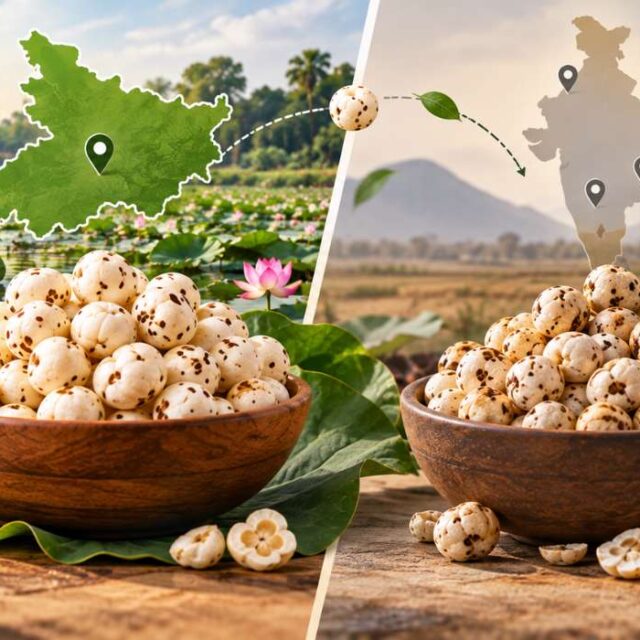
Bihar Makhana vs Other Makhana - Why Sourcing Matters for Your Brand
If you are building a private label Makhana brand, one of the first questions worth asking your manufacturer is where their raw Makhana comes…
What Is Single vs Double Flame Roasting? A Simple Explanation
Most snack brands say their products are roasted. Very few explain how. When you look at the manufacturing process, the method used to apply…